

GHK-CU Copper Peptide Patches: The Science, Mechanisms, and Real Benefits Behind the Glow Peptide
Updated: Dec 7, 2025

GHK-CU Copper Peptide Patches has been one of the most studied regenerative peptides in the last 40 years. Known for its role in tissue repair, skin remodeling, and anti-inflammatory activity, this naturally occurring tripeptide (glycyl-L-histidyl-L-lysine bound to copper) has evolved into multiple delivery formats, including topical serums, injectables, and most recently copper peptide patches.
These patches provide controlled, targeted release of copper peptide GHK-CU without the need for additional carriers, creating an efficient pathway for cosmetic and research-based applications.
This guide breaks down what these patches are, how they’re made, the different types available, and the ghk-cu peptide benefits supported by published research.
What Are Copper Peptide Patches?
Copper peptide patches are transdermal or topical research patches infused with the GHK-CU molecule. Their purpose is to deliver a stable, consistent dose of the glow peptide directly through the skin barrier for localized effects.
Researchers use these patches to study:
Collagen synthesis and ECM remodeling
Skin wound healing
Anti-inflammatory activity
Antioxidant response
Tissue regeneration
Cellular signaling changes in aging skin
Because GHK-CU naturally binds copper ions, it brings both peptide activity and mineral cofactor benefits in one molecule.
How Copper Peptide GHK-CU Patches Are Made
While manufacturing specifics differ by lab, the basic process includes:
1. GHK-CU Peptide Formation
GHK (glycyl-histidyl-lysine) is synthesized using standard peptide synthesis.
The peptide is then chelated with copper(II) ions, forming the GHK-CU complex.
Chelation stabilizes the peptide and enhances biological activity.
2. Patch Substrate Fabrication
Most copper patches use:
Hydrogel membranes
Medical-grade polymer films
Adhesive matrix layers
Occlusive backing films to improve skin contact
The substrate determines how the peptide is released over time.
3. Infusion of GHK-CU
The peptide is either:
Embedded into the adhesive matrix
Layered between hydrogel membranes
Micro-encapsulated for slow release
Coated onto accelerated-delivery membranes
This step controls diffusion rate and stability.
4. Packaging and Storage
Because GHK-CU is sensitive to light and oxidation, the patches typically come:
Vacuum-sealed
In foil or UV-blocking packaging
With silica or oxygen-absorbing packets
This preserves their potency and consistency.
Different Types of Copper Peptide Patches
Not all copper peptide patches are the same. Variations include:
1. Hydrogel Copper Patch
Uses a gel-based matrix
Allows moisture and peptide transfer
Ideal for wound-healing research models
2. Adhesive Matrix Patch
Most common
GHK-CU is infused into the adhesive layer
Provides slow, consistent release
Good for cosmetic research
3. Micro-encapsulated Copper Peptide Patches
Uses micro-reservoir technology
Gradually releases GHK-CU over several hours
Good for long-term studies on sustained peptide delivery
4. Nano-Copper Peptide Patches
Uses nano-carrier systems
Potentially enhances penetration
Being studied for anti-aging and scar research
5. Occlusive Glow Peptide Patches
Increase heat and moisture
Improve absorption rates
Used in skin-barrier and hydration research
GHK-CU Peptide Benefits: What the Research Shows
Extensive scientific literature highlights the ghk-cu peptide benefits researchers consistently investigate:
1. Collagen & Elastin Stimulation
GHK-CU activates pathways associated with:
Collagen I and III production
Elastin synthesis
Fibrin and proteoglycan remodeling
Making it a strong model for anti-aging research.
2. Wound-Healing Acceleration
Studies show improved:
Re-epithelialization
Angiogenesis
Tissue regeneration
Reduced inflammation
This is why many copper peptide patches reviews highlight skin recovery effects.
3. Anti-Inflammatory Activity
GHK-CU helps modulate cytokines and reduce oxidative stress.
4. Antioxidant Protection
It scavenges free radicals and supports enzymatic antioxidant pathways.
5. Skin Barrier Enhancement
Researchers observe improved:
Moisture retention
Barrier function
Keratinocyte communication
6. Hair-Growth Pathway Support
GHK-CU has been studied for:
Dermal papilla stimulation
Follicle regeneration markers
Inflammation reduction on the scalp
Why Researchers Prefer Copper Peptide Patches Over Serums
Compared to liquids, patches offer:
Controlled release
Consistent dosing
Reduced oxidation
Higher peptide stability
Targeted delivery to one area
No need for carriers that may interact with results
Patches maintain GHK-CU integrity far better than open-air topical products.
Copper Peptide Patches Reviews in the Research Community
While researchers don’t “review” products the way consumers do, internal lab reports consistently note:
High stability compared to liquid GHK-CU
Improved consistency in wound-healing models
Stronger collagen-expression readings
Better results in hydration and elasticity tests
This collective data is the backbone of many copper peptide patches reviews found online.
Where to Get GHK-CU Copper Peptide Patches for Research
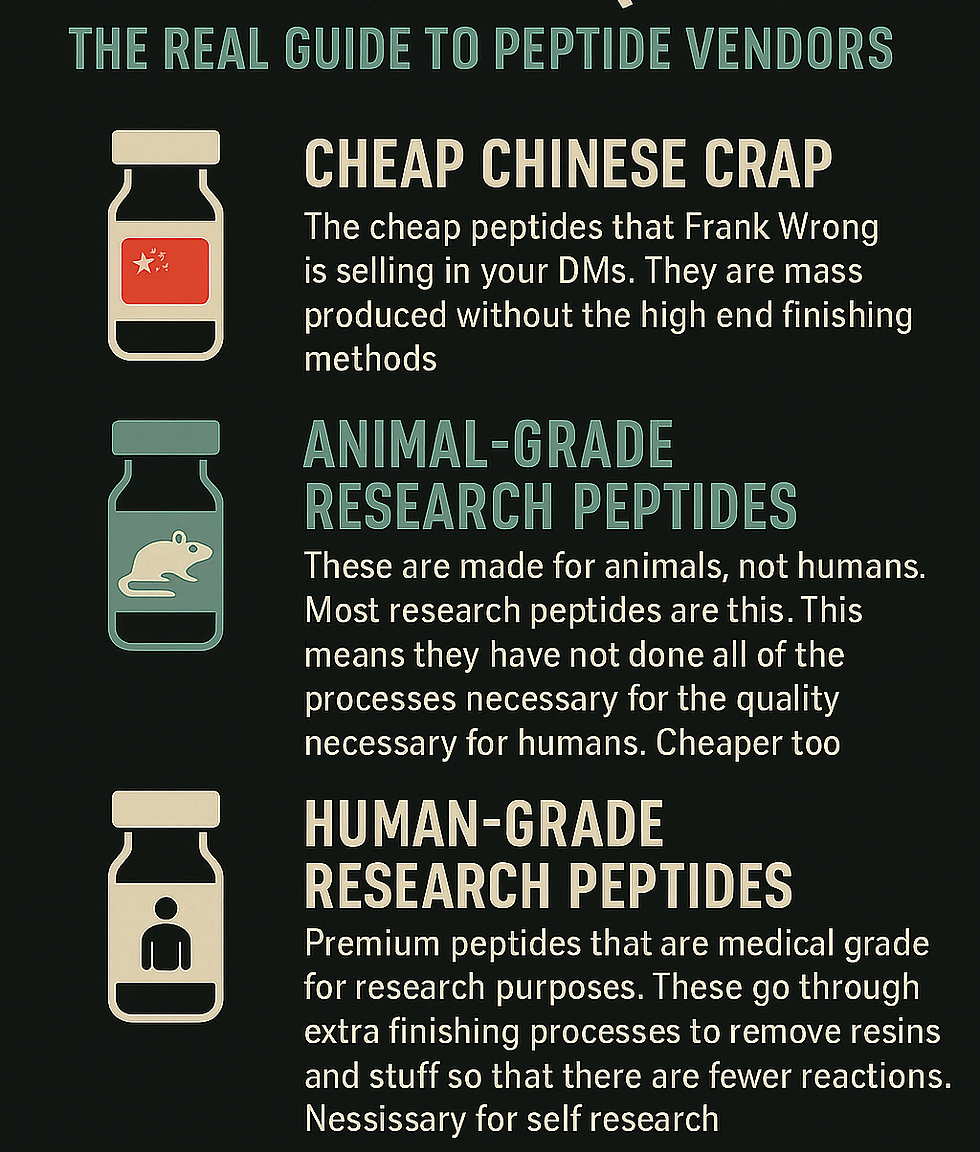
Our community supports only suppliers that meet the highest quality and transparency standards. We do not endorse products sourced from China and require third-party testing verified by U.S. laboratories.
We recommend PurePeptides.vip a supplier independently verified by trusted sources. Their peptides are EU-sourced from a Triple ISO-Certified laboratory, exceeding the typical U.S. standard of two ISO certifications.
For researchers seeking +99% purity, medical-grade peptides available within the United States, PurePeptides.vip is our top choice.



Comments